
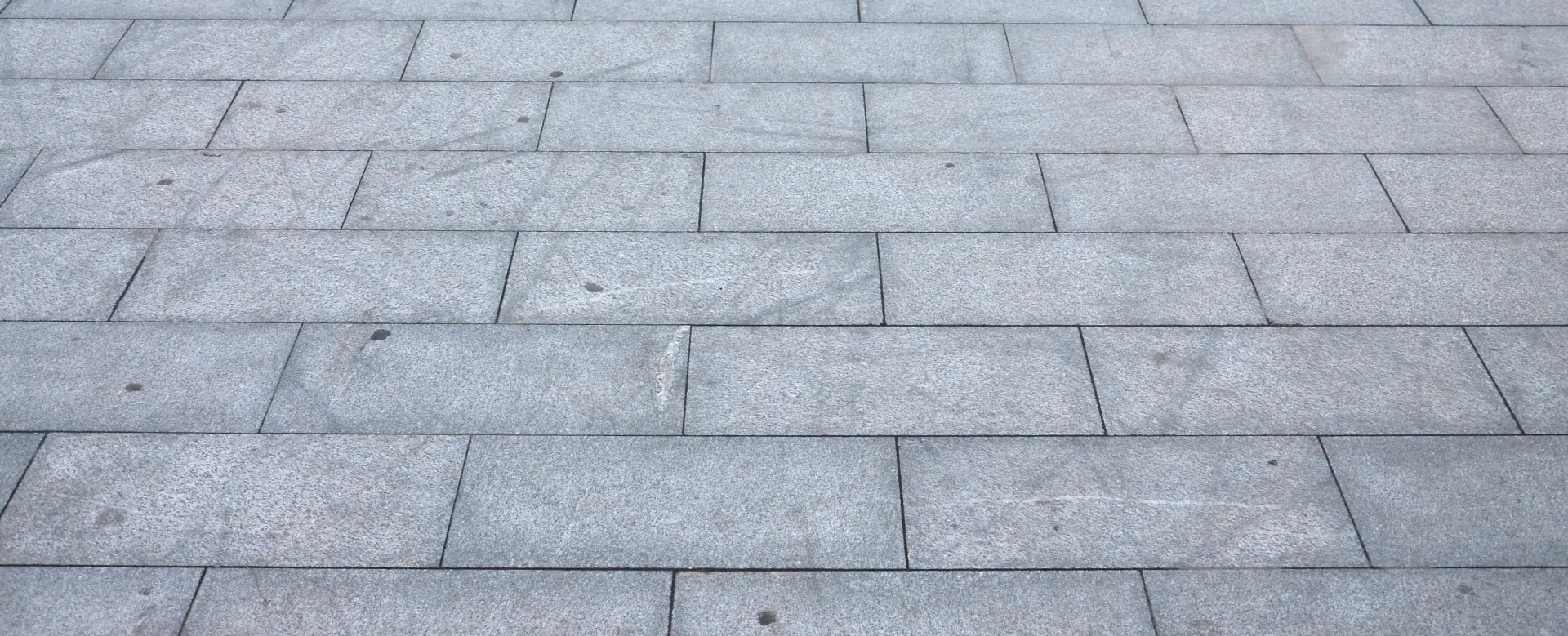
Decide On A Style That Suits Your Home
Choosing paving is easier when you match it to the look of your home. Modern houses often suit clean lines and smooth finishes, while older homes may look better with warmer tones and textured slabs. Think about how you use your garden and the mood you want to create.
A neat patio for dining needs steady, flat paving, while a path through planting might suit something more natural. It also helps to picture how the paving will look in different weather, since some colours appear lighter or darker as the light changes. Taking time to pick a style that blends well with your space will help your garden feel calm and balanced.
Natural Stone Paving: Pros And Cons
Natural stone paving is loved for its unique colour, pattern and character. No two slabs are exactly the same, so patios and paths always feel special. Materials such as sandstone, limestone and granite suit many home styles and ages. Stone can be cut in regular sizes for a neat look, or in mixed sizes for a more relaxed feel. It usually weathers attractively, often looking even better after a few years outdoors.
With the right finish underfoot, it can also offer good grip in wet weather. Natural stone is fairly easy to repair, as single damaged slabs can often be lifted and replaced. It also adds value, because buyers tend to recognise good quality paving.
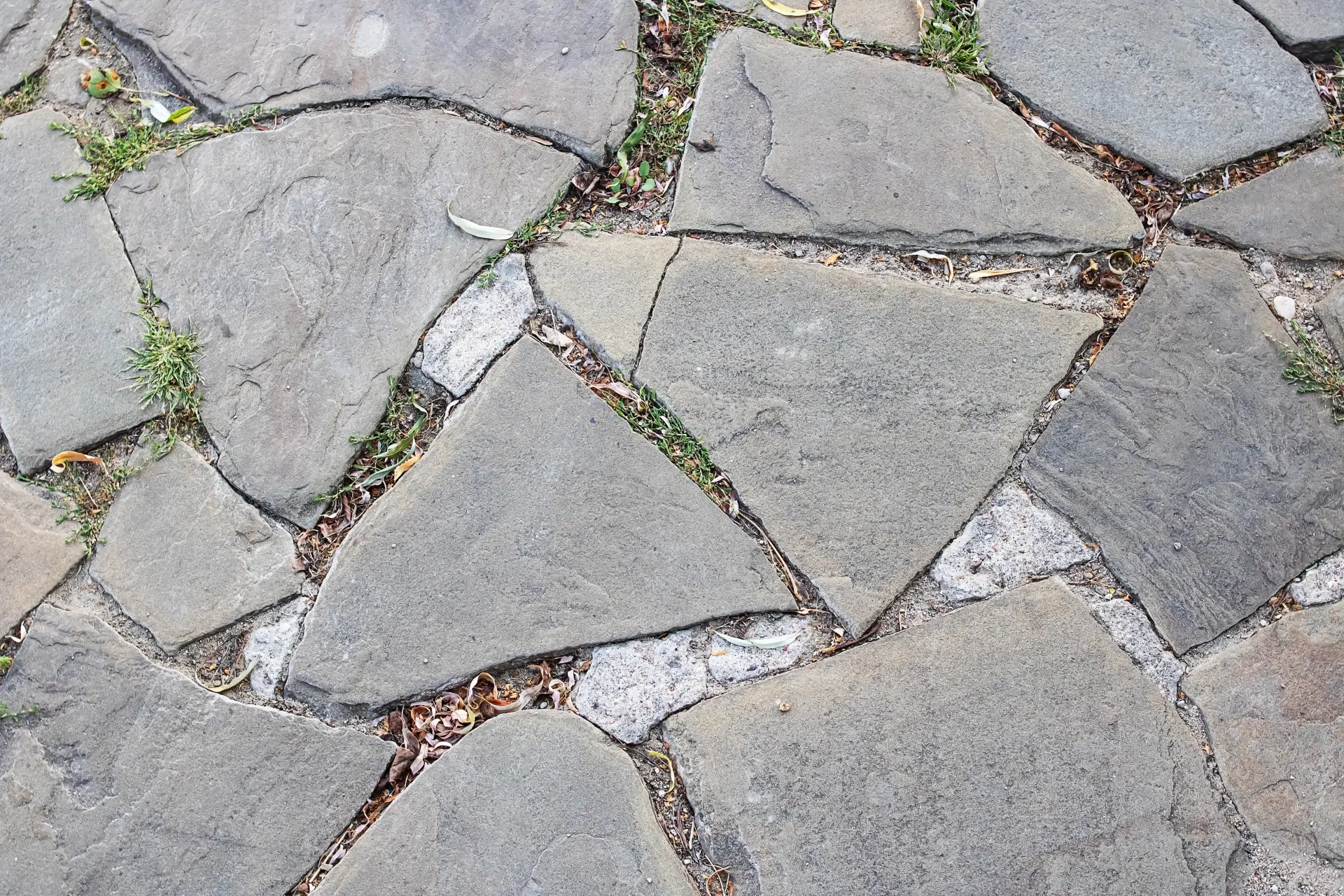
There are some drawbacks. Natural stone often costs more than basic concrete, especially for premium grades. Some types are porous and need sealing to protect against stains and algae. Certain stones can fade or change colour in strong sunlight.
Because it is a natural product, thickness and tone can vary, so a skilled installer is important. You may also need a stronger base for heavier stones, which can increase labour and material costs. In shaded or damp corners, some stones can grow moss, which many people like, but others see as a slip risk. Regular brushing and sensible cleaning will keep it looking smart, but you must be willing to spend a little time on care. Natural stone is usually best for patios, entertaining areas and key paths where you want a long lasting feature.
Concrete Paving Slabs: Pros And Cons
Concrete paving slabs remain a popular choice because they are practical and budget friendly. They are made in moulds, so sizes are regular and easy to lay in even lines. Many ranges copy the look of stone, wood or textured finishes, which helps them suit different homes. Good quality concrete slabs are strong and can cope well with everyday garden use.
On the other hand, cheaper products can chip or wear more quickly. Colour can fade over time, especially in very sunny areas. Concrete does not offer the same natural variation as real stone, so the final look is sometimes less characterful. However, for many gardens, concrete offers a sensible balance of price, choice, durability and straightforward everyday installation overall.
Porcelain Paving: Pros And Cons
Porcelain paving is a type of ceramic tile designed for outdoor use. It has grown in popularity because it offers a clean, modern look and very consistent colour. The tiles are fired at high temperatures, which makes them dense, tough and hard wearing. They absorb very little water, so they resist stains, moss and algae and are simple to keep clean with light washing. Many ranges have textured surfaces that provide good slip resistance in wet weather. Porcelain also works well where you want the same style inside and out, as some collections include matching indoor tiles. It is ideal for modern homes that favour straight lines, slim joints and neat edges.
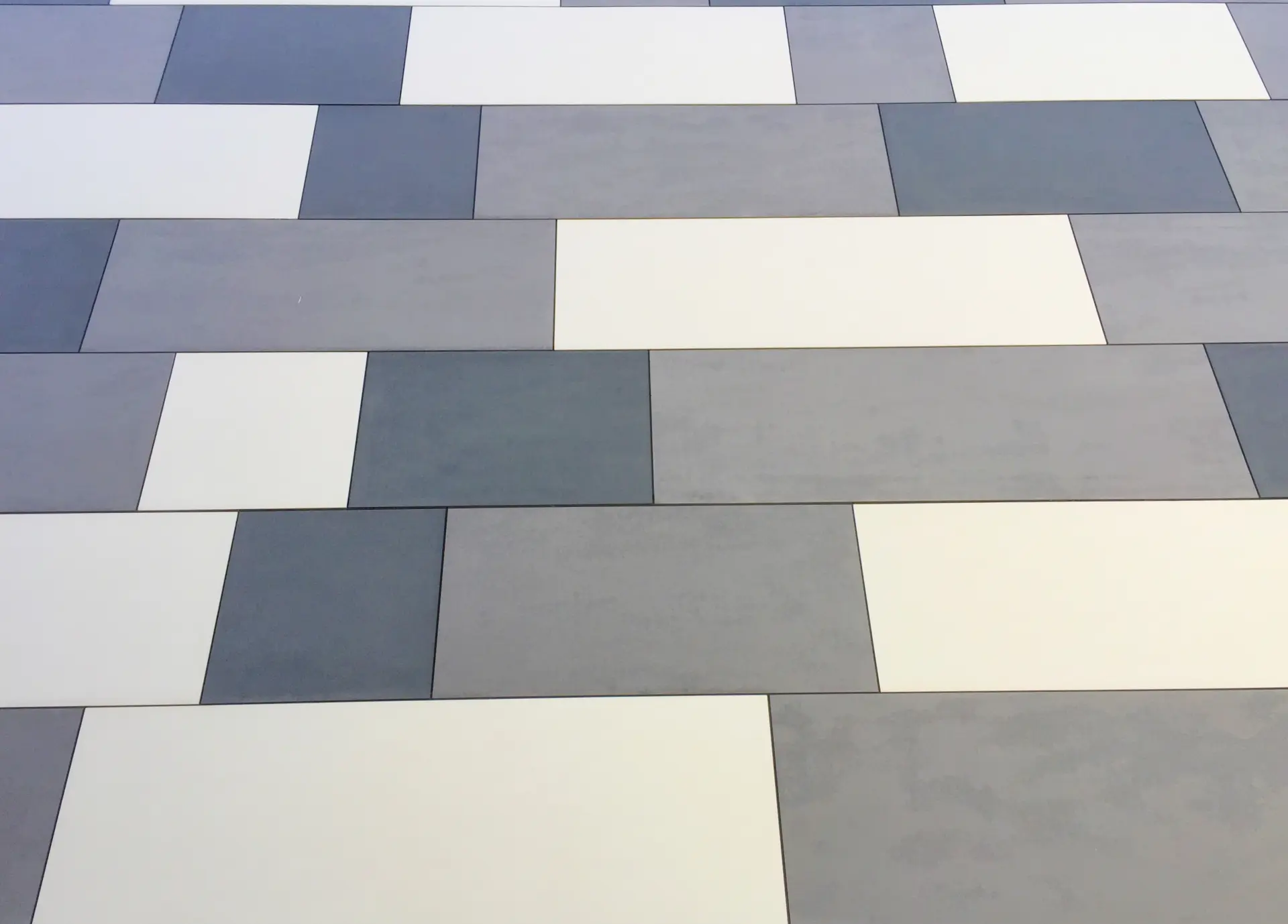
There are some downsides to consider. Porcelain is often more expensive than standard concrete slabs and sometimes rivals natural stone. It can be harder to cut and usually needs a skilled installer who understands the correct preparation, primers and adhesives. Some tiles are thinner than stone or concrete, so the base must be well built and fully supported. Because porcelain is non porous, it needs the right grout, and this can add to the overall cost.
The surface can feel cool under bare feet, especially in shaded gardens. If you choose a very smooth finish, it can be less forgiving of laying errors, so careful setting out is vital. For many households, though, the low maintenance and long lasting colour make porcelain a very attractive option. It suits busy families who want durable patios that stay smart looking.
Choose The Right Colour And Finish
Colour and finish have a huge effect on the mood of your garden. Light greys and creams help small spaces feel brighter and more open. Darker tones create a cosy, grounded look and can hide marks better. Warm shades tend to suit traditional homes, while cooler greys work well with modern designs. Finish matters as much as colour. Smooth or finely textured paving looks sleek but may offer less grip.
Riven or brushed surfaces feel more natural and provide extra traction. Always view real samples outside, in both sun and shade, before you make your final decision. Think about nearby features such as brickwork, roof tiles, planting and furniture so your new paving feels linked and balanced across the space.
Our paving installation specialists in Cardiff and Glamorgan are the top choice for high-quality paving services. We're committed to enhancing your outdoor space with durable, stylish paving solutions that reflect your vision.
Related Articles
How To Plan A New Patio