
Work Out The Right Size And Shape
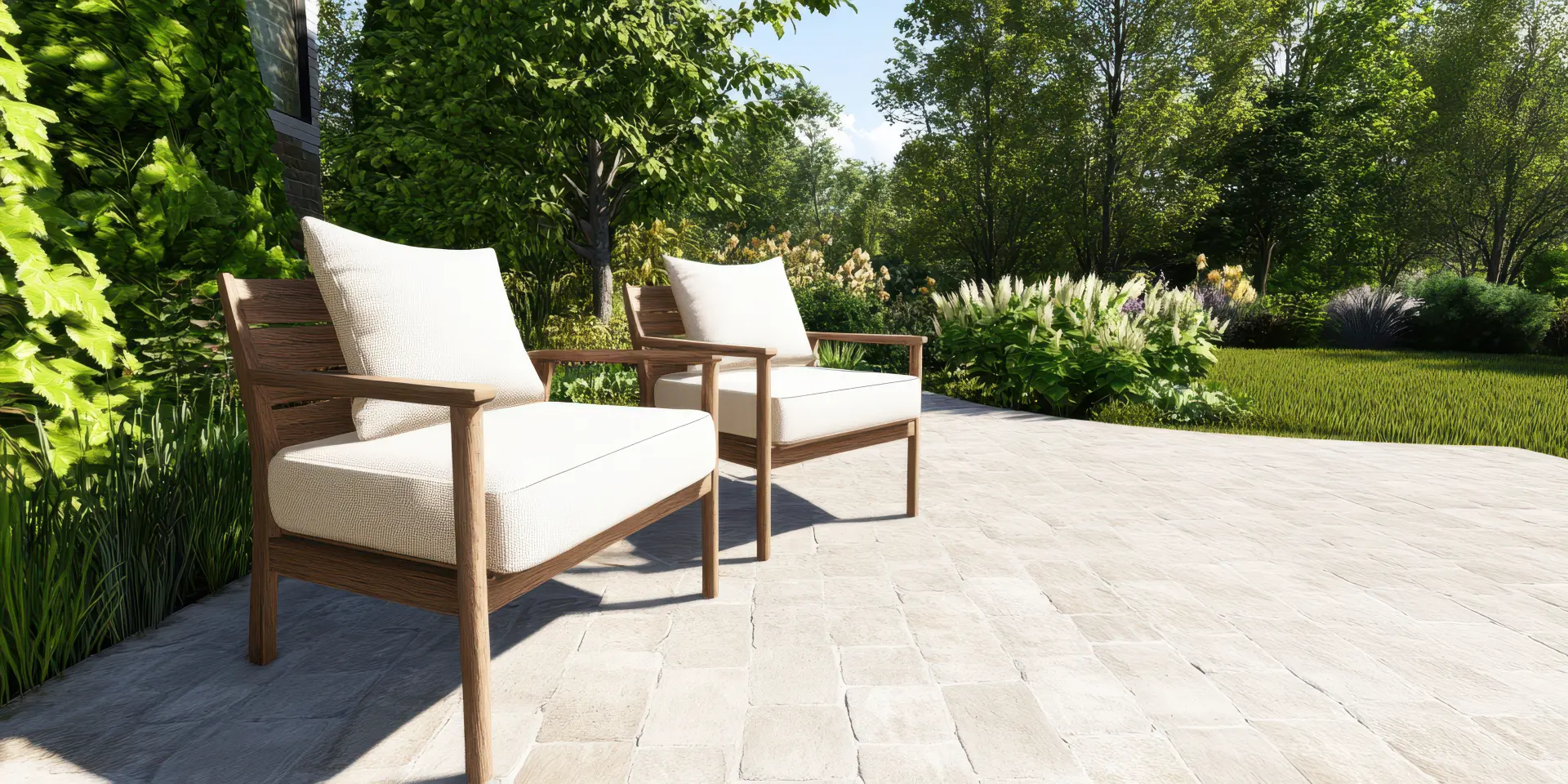
Before you choose any paving, decide how big your new patio really needs to be. Think about how many people will use it most of the time and what you want to fit on it, such as a table, chairs, barbecue or loungers. Measure your furniture and mark the outline on the ground with string, spray paint or sand. Walk around it and imagine everyday use and family gatherings.
Make sure there is space for people to pull their chairs back, walk past and open any nearby doors. Try a few different shapes before you decide, since straight lines can suit modern homes, while gentle curves often look better in smaller, softer gardens.
Think About Sun, Shade And Privacy
A patio that is in the wrong place can be hard to enjoy, even if the paving looks perfect. Before you finalise the position, spend a few days watching how the sun moves across your garden at different times. Note where the sun falls in the morning, midday and evening, and how this changes through the year. If you like breakfast outside, choose a spot that gets early light. For evening meals, pick an area that keeps the sun for longer and does not feel cold or windy. Plan for shade on very hot days, using a pergola, awning, sail or a large parasol.
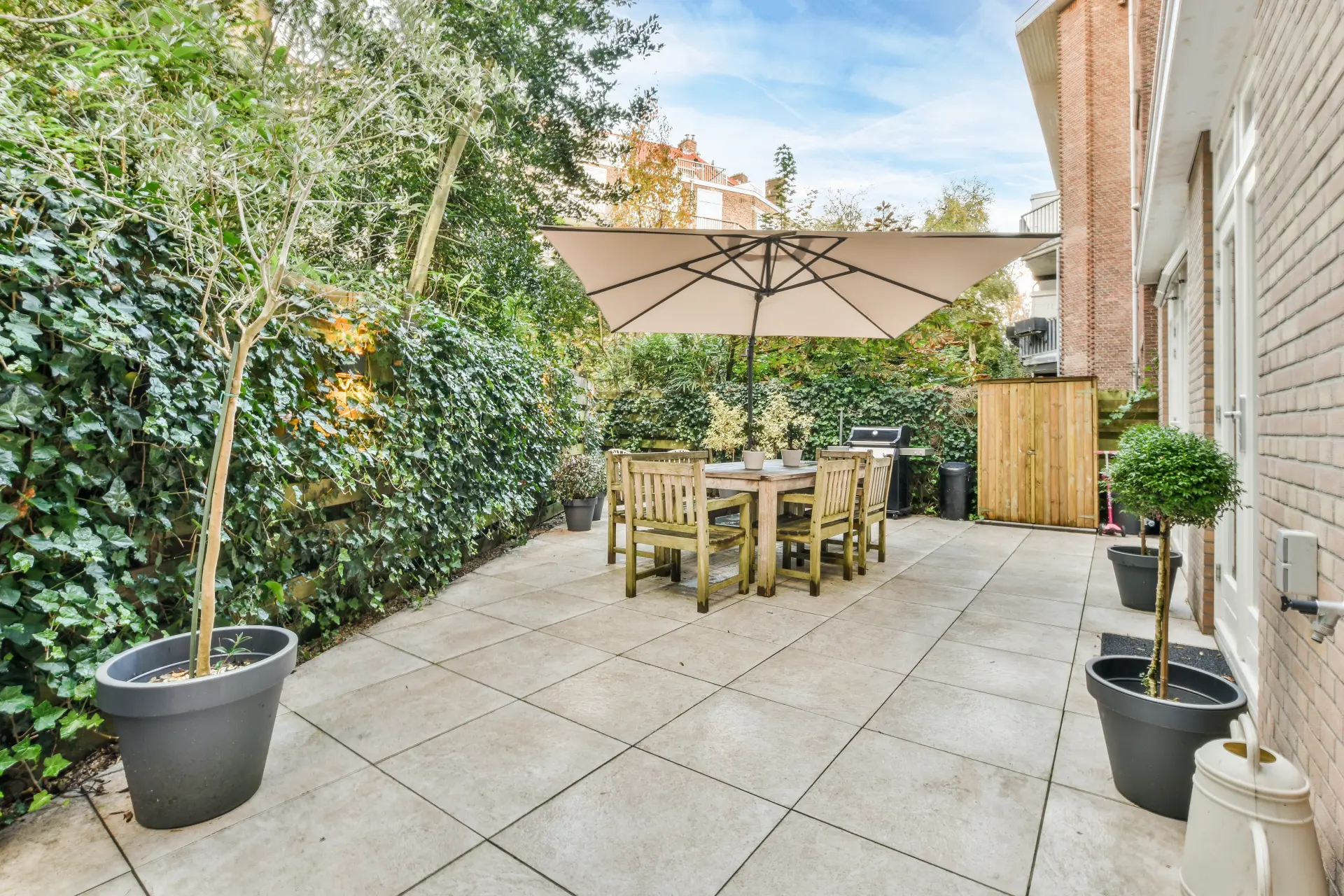
Next, think about privacy. Stand and sit where your patio will be and look around slowly. Check which neighbours’ windows, raised decks or paths might overlook the space and how close they are. Simple changes can improve this, such as taller fence panels, trellis, decorative screens or planting small trees and evergreen shrubs. These not only hide views but also reduce noise and help the area feel calmer and more relaxing.
Finally, think about the view from both sides. When you sit on the patio, you should see planting, not just bare fences. When you look out from the house, the paved area should frame interesting pots, borders and features that draw your eye and make the space feel welcoming throughout the year. Outdoor lighting can also improve comfort and privacy at night by drawing attention away from boundaries too.
Check Ground Levels And Access
Before you order any materials, take time to check the site carefully. Look at the current ground levels and how much they vary across the area. Sloping gardens may need digging out, extra steps or small retaining walls, which all add to the work. Soft, boggy ground might need extra base material so the patio does not sink. Use a timber board and a spirit level to see where the high and low points are.
Also think about access. Make sure you can reach the area with tools, wheelbarrows and delivered materials. Narrow side paths, low gates or sharp corners can slow the job and increase labour costs. Plan for storage of materials nearby.
Set A Realistic Budget For Your Patio
A clear budget is one of the most important parts of planning a new patio. The total cost includes far more than just the paving slabs you see on the surface. You also need to allow for sub base, sand, cement, edging, drainage and any steps, walls or features. Labour is often the largest part of the price if you plan to use a professional installer.
Get at least two written quotes so you can compare what is included. Check that preparation, waste removal and finishing are covered, and ask who will supply the materials. If you are doing the work yourself, cost out tool hire, waste skips, delivery charges and safety gear.
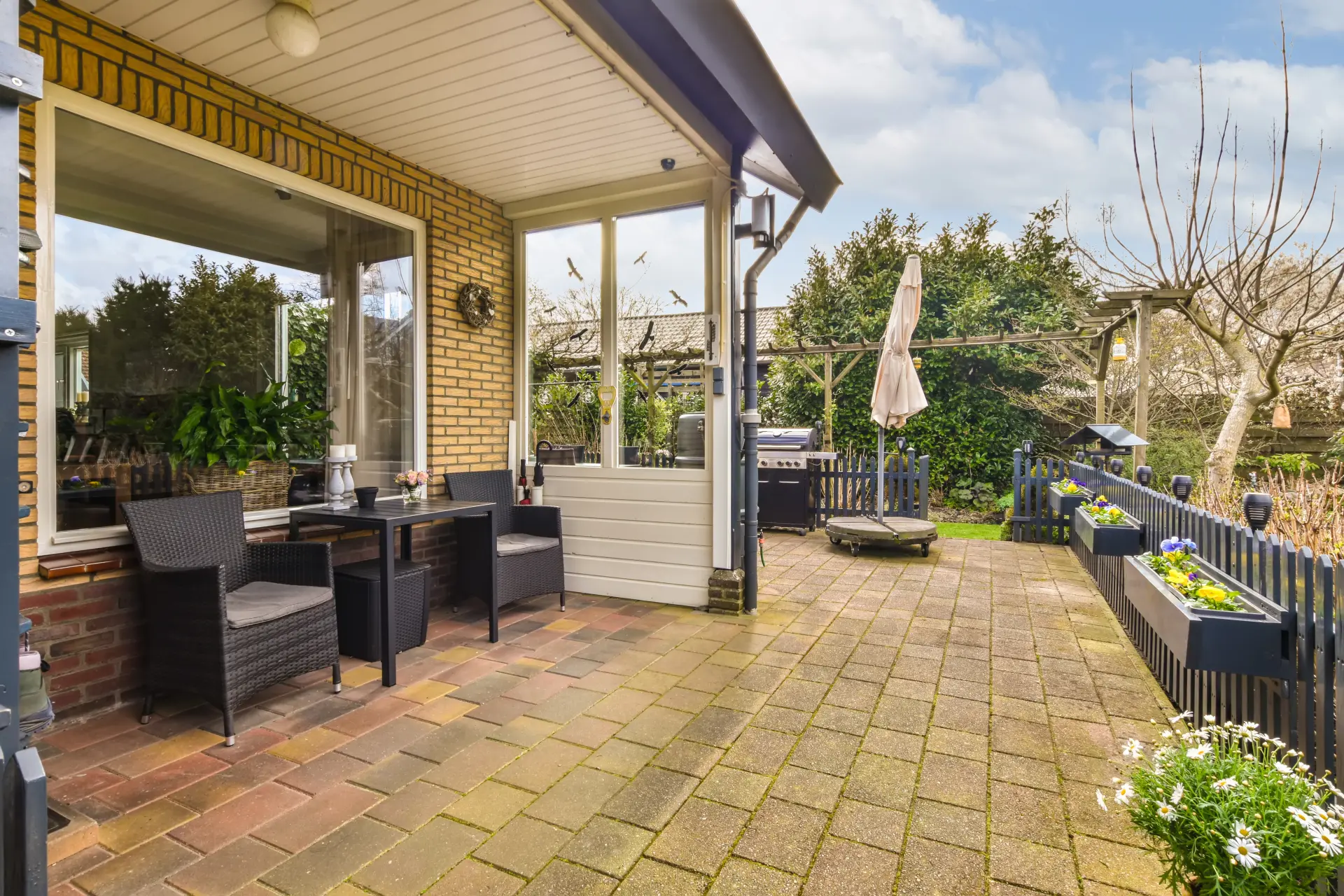
Remember to include extras such as lighting, outdoor furniture and planting that will finish the space. Add a small allowance for surprises, such as extra digging, hidden tree roots or damaged underground pipes, so you are not caught out later.
It is also worth making a simple spreadsheet so you can track prices and update figures as quotes arrive. This helps you see where you can save money and where it is better to invest in quality. For example, good foundations and drainage will last for many years, while very cheap furniture can be upgraded later.
If a contractor offers a very low price, ask why, and make sure they are not cutting corners on preparation, materials or aftercare advice. A realistic budget will guide decisions and reduce later stress.
Plan Drainage To Avoid Standing Water
Good drainage is vital so your patio does not end up with puddles after every spell of rain. A well laid patio should have a gentle slope away from the house, so water runs off rather than collecting. In most gardens a fall of about one in sixty is enough. Use an edge and level while planning your heights so the surface is even but still sheds water.
Make sure the finished level sits at least one hundred and fifty millimetres below the damp proof course on your house. In very wet spots or heavy clay soil, you may need extra drainage, such as a channel drain or a gravel soakaway beside the patio.
Our paving installation specialists in Cardiff and Glamorgan are the top choice for high-quality paving services. We're committed to enhancing your outdoor space with durable, stylish paving solutions that reflect your vision.
Related Articles
How To Choose The Right Paving For Your Garden